Heading into 2026, boards are facing tighter budgets as equipment, travel, and field maintenance costs keep rising. What leagues need now isn't more fundraisers — it's smarter ones. This guide walks through proven and newer fundraising ideas for 2026, how to pick the right one for your league, and best practices that help you keep more of what you raise.
Key Takeaways
- Simple, inclusive fundraisers that work across all ages beat complicated, one-weekend events
- One primary fundraiser plus one or two community events beats many small ones
- Product-based fundraisers with 40-50% profit margins carry no upfront inventory risk
- Confirm state solicitation laws before running raffles, crowdfunding, or games of chance
Why Fundraising Matters for Little League Teams in 2026
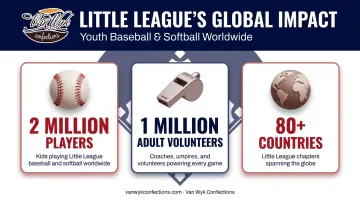
Scale matters here. Little League's 2026 media guide puts current participation at roughly 2 million players and 1 million adult volunteers across more than 80 countries. That's an enormous number of families relying on local boards to keep costs manageable.
Little League's national policy backs this up directly. Local programs cannot deny a child registration because a family can't pay, and payment can never be a prerequisite for participation. That policy only works if leagues have another way to cover costs — which is exactly what fundraising is for.
Timing counts too. Little League's own guidance recommends setting your annual operating budget early in the fall, then building your fundraising plan around that number before the season starts. Skip this step, and boards end up scrambling mid-season with an ask that feels reactive instead of planned.
A few practical reasons fundraising deserves fall planning:
- Establishes a clear dollar target instead of a vague "raise as much as possible" ask
- Gives volunteer committees enough lead time to execute properly
- Helps boards decide upfront whether they need one big campaign or several smaller ones
Top Little League Baseball Fundraising Ideas for 2026
These ideas were selected for ease of execution, profit potential, and appeal across the full Little League age range, from 4-year-old Tee Ballers to 16-year-old Juniors players.
Candy, Snack & Confection Fundraisers
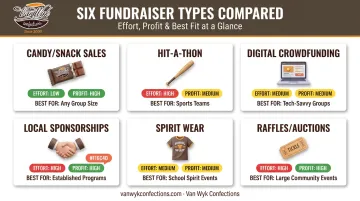
Packaged snack and candy sales remain a staple for a reason: teams sell high-margin, non-perishable items to family, friends, and neighbors, and nobody has to bake, cook, or refrigerate anything.
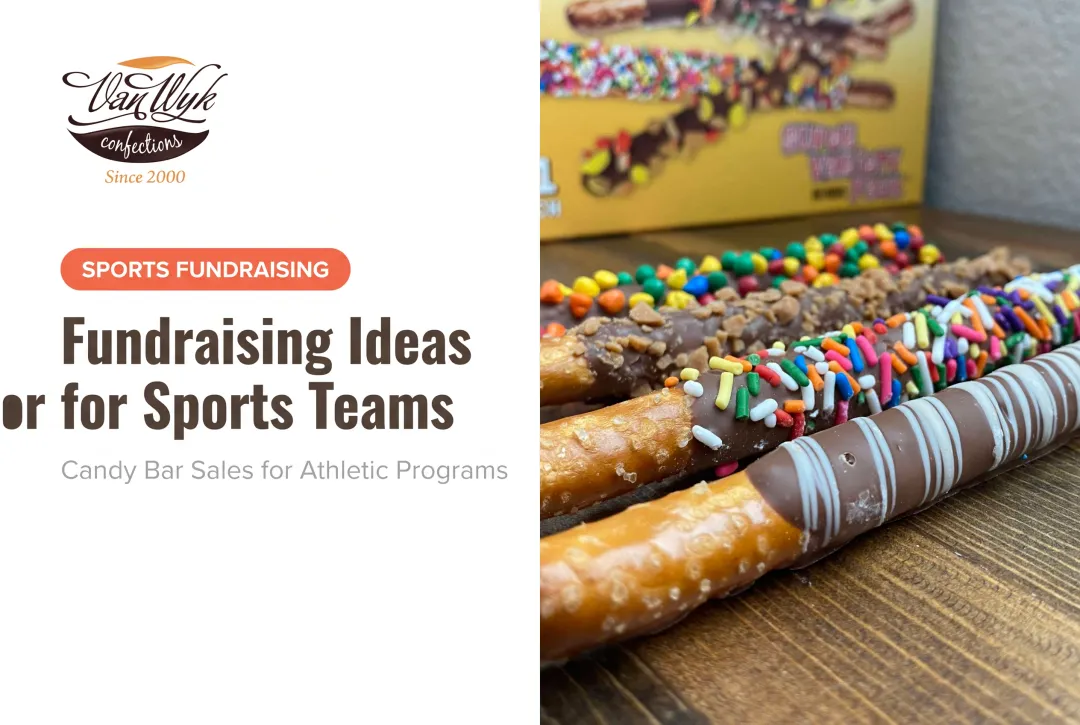
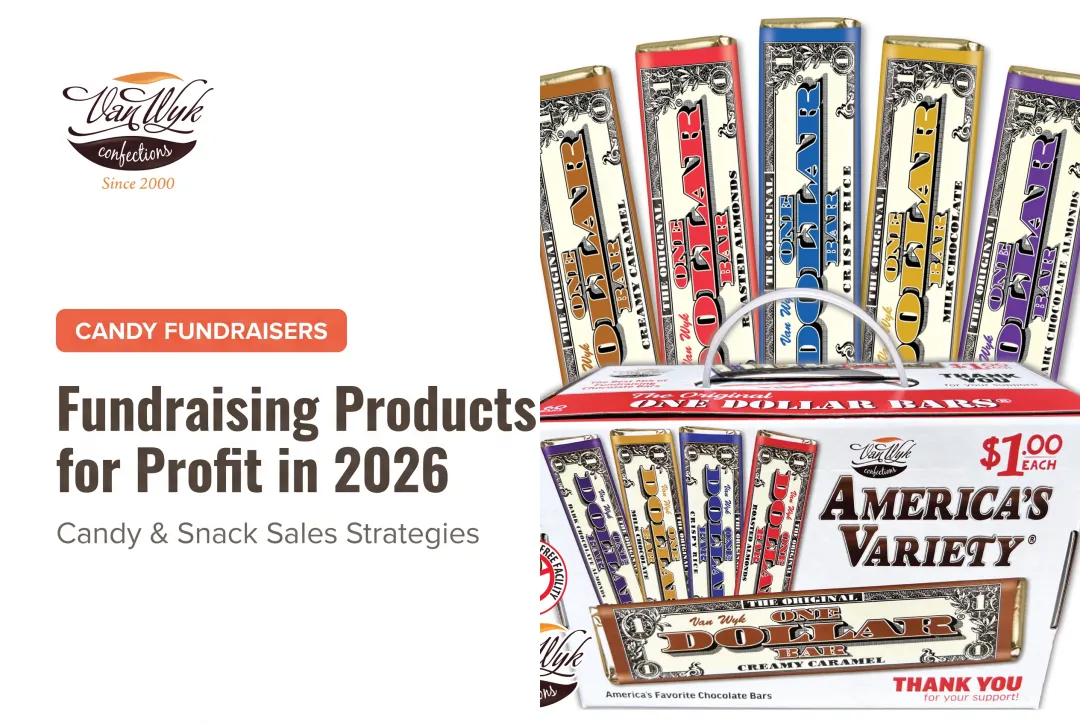
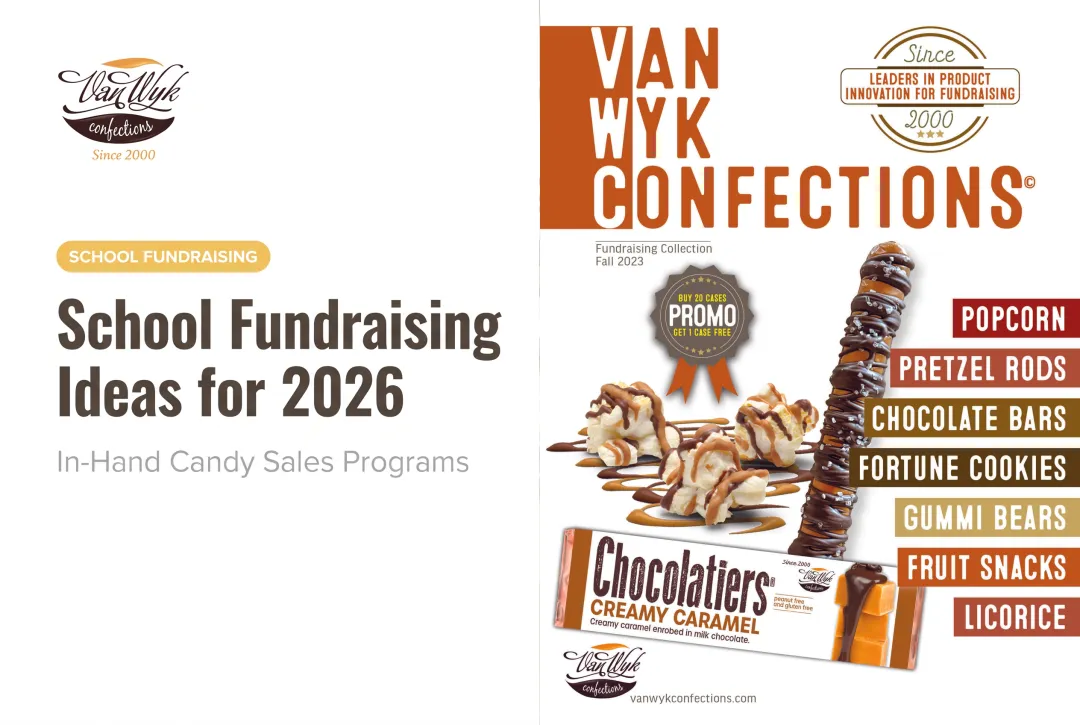
Suppliers like Van Wyk Confections run programs built around this model, with products including the Original ONE DOLLAR BAR, Chocolatiers Premium Bars, Pretzel Rods, Gourmet Popcorn, and Famous Fortune Cookies. Orders start at a single case, and peanut-free and gluten-free options make it easier to accommodate allergy concerns without a separate sales track.
| Category | Details |
|---|---|
| Effort Level | Low to moderate: factory-sealed products arrive ready to sell, no cooking involved |
| Profit Potential | High, typically 40-50% of gross sales |
| Best For | All ages; works well as a primary season-long fundraiser |
Hit-a-Thon or Skills Challenge
Players collect pledges per hit, throw, or skill completed, then compete during a regular practice or a local field session. Because it rides on time you've already scheduled, there's no extra venue booking or logistics to manage.
| Category | Details |
|---|---|
| Effort Level | Low: uses existing practice space and equipment |
| Profit Potential | Moderate to high, depending on pledge participation |
| Best For | All ages, especially engaging for younger divisions |
Digital Crowdfunding or Calendar Fundraiser
Online donation pages and "pick-a-date" calendars let out-of-town grandparents and family friends contribute without a single door being knocked on. Some platforms, like GoFundMe, charge no fee to start or manage a campaign, only a payment processing fee of 2.9% plus $0.30 per donation. That's a meaningfully different cost structure than platforms charging a separate platform fee on top of processing.
| Category | Details |
|---|---|
| Effort Level | Low: fully digital, shareable by text and social media |
| Profit Potential | High; scales across an entire league rather than one team |
| Best For | Leagues wanting one simple, repeatable annual campaign |
Local Business Sponsorships
Offer banner ads at the field, jersey patches, or a digital sponsor spotlight in exchange for cash or in-kind donations. A simple one-page sponsorship packet, with tiered pricing and a signature line, helps business owners commit on the spot instead of "thinking it over."
| Category | Details |
|---|---|
| Effort Level | Moderate; requires outreach and relationship-building |
| Profit Potential | High, especially with recurring multi-year sponsors |
| Best For | Leagues with an active parent committee for outreach |
Team Spirit Wear & Merchandise Sales
Hats, tees, and gear generate steady, repeat revenue since parents are already buying this stuff anyway. It rarely works as a standalone fundraiser, though; pair it with a primary campaign rather than leaning on it alone.
| Category | Details |
|---|---|
| Effort Level | Low to moderate; can run entirely through an online team store |
| Profit Potential | Moderate; steady, but rarely a sole solution |
| Best For | Supplementing a primary fundraiser |
Raffles & Themed Auctions
Collect donated prizes such as memorabilia, gift cards, and local experiences, then sell tickets or run a silent auction at an existing event like opening day. Piggybacking on a day families already attend increases visibility without extra planning.
| Category | Details |
|---|---|
| Effort Level | Moderate; needs prize donations and ticket tracking |
| Profit Potential | Moderate to high, depending on prize value |
| Best For | One-time seasonal events, not ongoing fundraising |
How to Choose the Right Fundraiser for Your League
Before committing, boards should ask a few honest questions:
- How realistic is family participation? A fundraiser that requires 100% buy-in will fail. Plan for partial participation.
- How much volunteer time do we actually have? Auctions and sponsorship drives take far more coordination than a product sale or digital campaign.
- Does a paper-based, digital, or hybrid approach fit our families best? Some communities respond well to online giving; others still prefer a physical order form.
Whatever you choose, it should be simple for parents, inclusive across the wide 4-16 age range, and not dependent on a single good-weather weekend.
One more step boards often skip: check whether your fundraiser triggers state charitable solicitation registration. This applies most often to raffles, games of chance, and online crowdfunding, and rules vary widely by state:
- Texas caps qualified organizations at four raffles per calendar year
- Pennsylvania routes small games of chance through county licensing
- Florida generally requires registration for online solicitation above certain thresholds
Confirm compliance with your state's rules before you launch, not after.
Fundraising Best Practices to Maximize What You Keep
As a member of AFRDS (the Association for Fundraising Distributors and Suppliers), Van Wyk Confections sees the same pattern across successful campaigns: running fewer, higher-quality fundraisers raises more money and causes less parent burnout than stacking five different asks across a season.
A few practices that make a real difference:
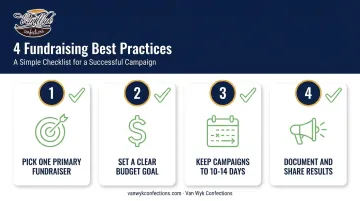
- Pick one primary fundraiser, such as a product sale or digital campaign, supported by one or two optional community events rather than several competing asks
- Set a clear goal tied to your operating budget, then tell families exactly what the money covers (uniforms, umpire fees, field maintenance)
- Keep product campaigns tight: roughly 10 to 14 days keeps momentum high and prevents fatigue
- Document and share results on your league's social media or website once the campaign wraps, building momentum for next year's ask
Specificity sells. "Help us reach $8,000 for new catcher's gear and umpire fees" outperforms a generic "please support our team" every time.
Conclusion
Successful 2026 Little League fundraising means picking one or two ideas that fit your league and running them consistently, rather than chasing every new trend. Weigh each option against your volunteer bandwidth, budget goal, and realistic family participation before you commit.
If you're looking for a low-risk way to kick off the season, Van Wyk Confections offers candy and snack fundraising programs built around 40-50% profit margins and one-case minimums, with peanut-free options available. There's no upfront inventory risk required.
Frequently Asked Questions
Which little league baseball fundraising ideas raise the most money?
Digital crowdfunding or calendar campaigns and high-margin product sales, such as candy and snack fundraisers, typically raise the most. Both scale across an entire league rather than a single team, with minimal added cost.
What are some unique fundraising ideas for little league baseball teams?
Reserved parking spot auctions, sponsor-a-player campaigns, and digital eCard fundraisers stand out from the usual candy sale or car wash. They work well as a supplemental event alongside your primary fundraiser.
What are some quick little league baseball fundraising ideas?
A hit-a-thon layered onto an existing practice, a pre-packed snack or candy sale, or a short online donation page all require minimal setup. Each can launch within a week or two.
Are there legal rules Little Leagues must follow when fundraising?
Yes. Many states require charitable solicitation registration for raffles, games of chance, and online crowdfunding. Requirements vary significantly by state, so confirm local rules before launching.
How many fundraisers should a Little League team run per season?
One primary fundraiser plus one or two optional community events tends to work best. Stacking too many campaigns burns out parents and typically lowers overall returns.
When should we start planning our 2026 Little League fundraiser?
Set your budget and fundraising goal in the fall, ahead of spring registration. This gives your committee enough lead time to plan, launch, and execute without a last-minute scramble.