The good news: creative, community-driven fundraisers can close that gap. They also build school spirit and public appreciation for what your art students are actually capable of creating.
This guide covers signature art events, hands-on fundraisers your community will actually show up for, and how to pair any art event with a profitable treat sale that adds revenue without adding stress.
Key Takeaways
- Frequent budget cuts make dedicated fundraising essential for art supplies and instructors
- Signature events like auctions and art shows can generate significant one-time revenue
- Interactive fundraisers such as paint nights build recurring community engagement
- Adding a candy or snack sale boosts profit with minimal extra planning
Why School Art Programs Need Extra Funding
Budget pressure on arts education is well documented at the district level. Fort Worth ISD cut $1.2 million from its visual and performing arts budget for the 2024-25 school year, including $737,000 in salaries and $453,000 in supplies.
After the cut, elementary schools were left with just $6.50 per student for arts supplies — barely enough for a few sheets of paper and a paint set.
Arts advocacy groups like Arts Ed NJ describe arts education as "often" among the first areas cut when districts face difficult budget decisions. Not universal, but common enough that most art teachers have felt it firsthand.
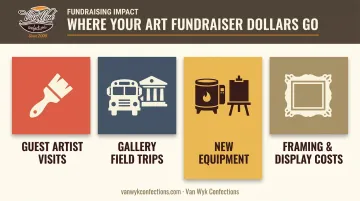
A dedicated art fundraiser does more than patch a supply budget. It can fund:
- Guest artist visits and specialized instructors
- Field trips to galleries and museums
- New equipment (kilns, easels, printmaking presses)
- Framing and display costs for student showcases
Well-run fundraisers do double duty, too. Beyond the dollars raised, a packed art show or lively paint night builds public appreciation for what students are creating. That goodwill tends to translate into stronger, longer-term support for the program.
Signature Art Event Fundraisers That Wow the Community
These larger-scale events take more planning but can generate significant one-time revenue. They work best when a school wants to make a real splash rather than a quiet ask.
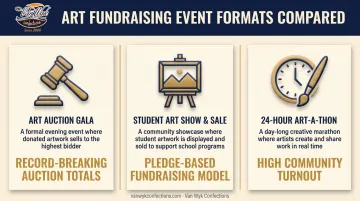
Art Auction Gala
Form a small committee to collect donated pieces from students, alumni, and local artists, then run the evening with a mix of silent and live bidding. Silent auctions work well for smaller pieces browsed throughout the night; save live bidding for a handful of standout works to build energy in the room.
One of the best-documented examples comes from Miami-Dade's "For the Love of Art" auction, which raised $215,000 in a single record-setting event benefiting public school art programs. That's an outlier result from a large metro program, not a typical night — but it shows what's possible when donated inventory and attendance both scale up.
Tip: Offer tiered ticket pricing: general admission, VIP early preview, or a reserved table, so guests can spend beyond just the auction paddle.
Student Art Show & Sale
Secure a venue like a gymnasium, community center, or local gallery, then display and sell student work with a percentage of sales going back to the program. New Mexico School for the Arts runs this exact model, offering hundreds of student pieces with proceeds directly supporting its visual arts supply budget.
Add a live art demonstration station or a themed refreshment table near the entrance. Both tactics extend how long guests linger, which naturally increases spending per visitor.
24-Hour Art-a-Thon or Creativity Marathon
Participants create art within a set window while collecting pledges per piece completed, similar to a walk-a-thon. Long Beach's Renaissance High School ran a peer-to-peer version of this format for 2025-26, raising $6,798 from 130 supporters against a $20,000 goal. That result fell short of the goal, but it still built a broad donor base the school can return to next year.
Livestream progress or post updates on social media throughout the event. This pulls in donations from supporters who can't attend but want to watch the creative process unfold in real time.
Interactive & Hands-On Art Fundraiser Ideas
These options suit schools with less lead time or a smaller budget, while still delivering strong community turnout.
Paint Night Fundraiser
Book an instructor, gather canvases and supplies, and charge a flat ticket price for a guided group painting session. One school art club, Schuylerville High School, ran a 2.5-hour paint night that included canvas, supplies, food, and drinks in the ticket price — a format that keeps logistics simple for volunteers.
Bundle in a small raffle, sell artist-made merchandise, or add a candy fundraiser table with grab-and-go treats like chocolate bars or gummy snacks. These add-ons boost revenue without requiring extra staffing.
Art Workshop Series
Structure multiple sessions across different mediums, such as painting one week, sculpture the next, and printmaking after that. Local artists or your own teachers can lead sessions. Use tiered pricing:
- Single-class drop-in rate
- Discounted full-series bundle
- Family or group rate for multiple sign-ups
Online registration tools cut down on no-shows and give you a clearer headcount for supply ordering ahead of time.
Art-Themed Fashion Show or Challenge
Students and community members design wearable art for a runway-style event, or complete a themed art challenge using recycled materials within a set timeframe. Either format works on pledges collected per participant.
Tip: Small prizes for top designs or top fundraisers add friendly competition that pushes participation higher without adding real cost.
Pair Your Art Fundraiser with a Profitable Treat Sale
Nearly every event above gets stronger with one simple addition: a concession or treat table near the action. It raises per-guest spending with almost no extra planning, since guests are already there and already browsing.
The trick is choosing a product that doesn't compete for your volunteers' attention. A treat table shouldn't require food prep, refrigeration, or complicated logistics. It should just work.
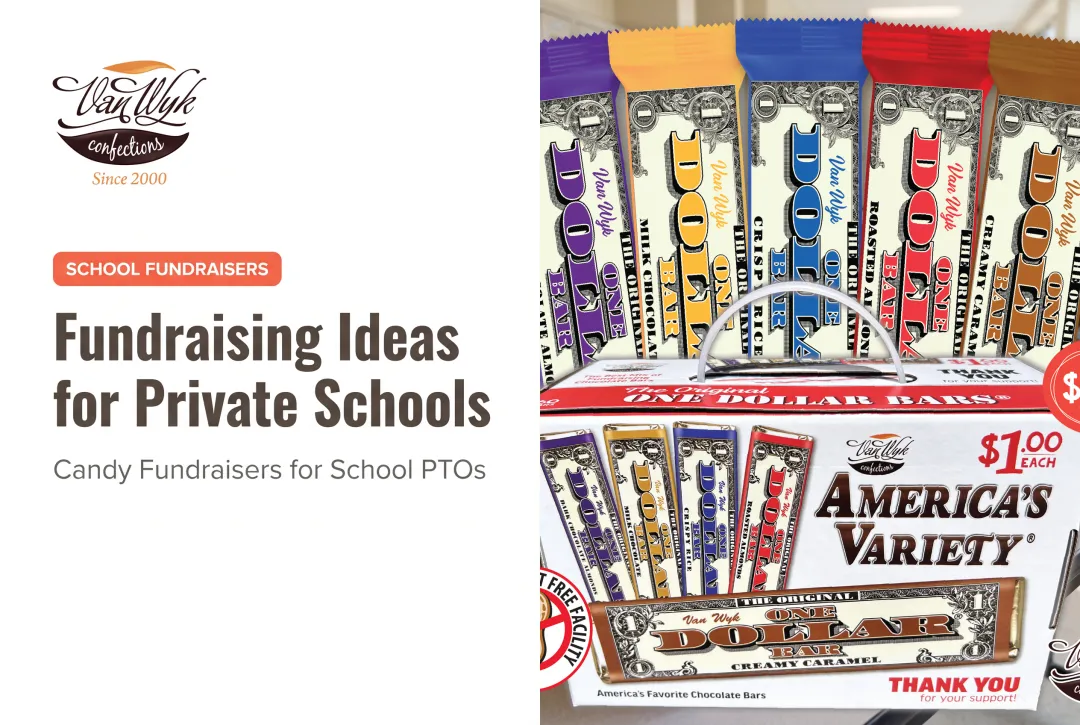
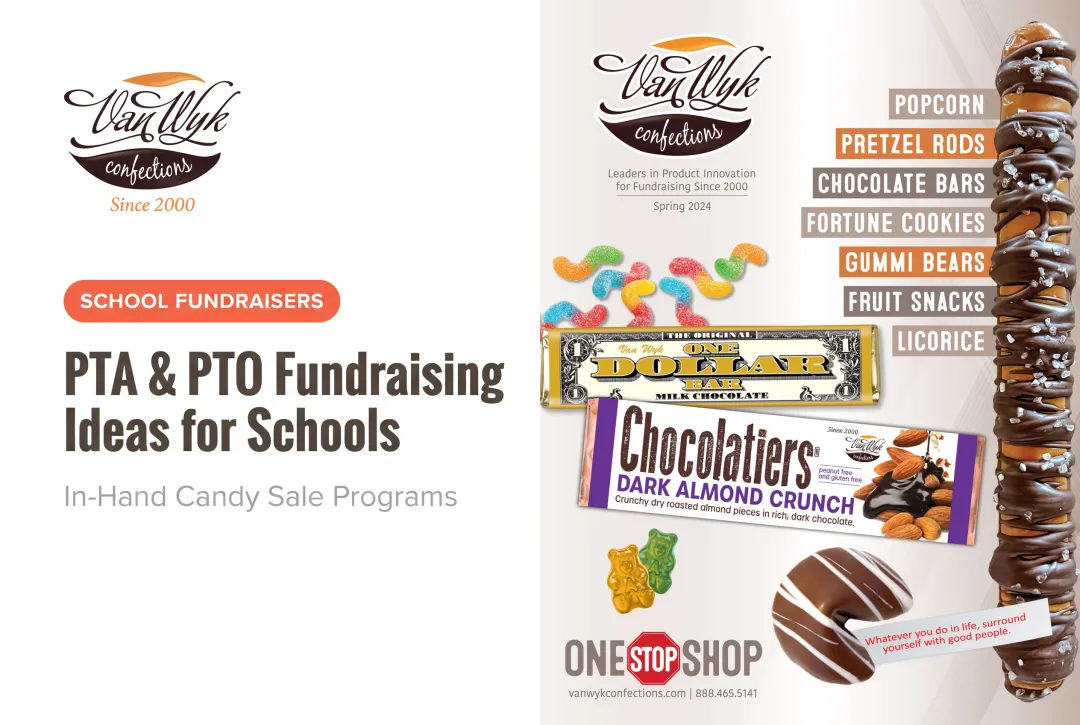
This is where Van Wyk Confections fits naturally into an art event. The Castle Rock, Colorado-based company supplies factory-sealed, ready-to-sell treats built specifically for fundraising tables:
- One Dollar Bars: $1 chocolate bars, peanut-free and gluten-free
- Sweet & Salty Pretzel Rods: $1 individually wrapped rods in four flavors, also peanut-free and gluten-free
- Nifty 50 Chocolatiers: premium $2 chocolate bars with profit potential reaching up to 55%
- Famous Fortune Cookies: a $1 impulse-buy item with broad appeal across age groups
Most of these lines run 40-50% profit margins. There's no complicated order minimum locking schools in, so a school can order what fits its event size rather than committing to a warehouse full of inventory. That same flexibility carries over to event-day setup.
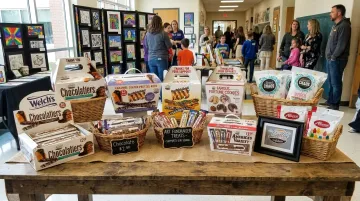
Practical tip: Set up a simple cash-and-card payment station near the art displays or auction check-in area, separate from the main event flow. This keeps treat sales from creating a bottleneck at the door.
Art events tend to draw the wider school community, including younger siblings and guests with allergies. Van Wyk's One Dollar Bars and Pretzel Rods are both made in a peanut-free facility, removing one more worry from event day.
Tips for Planning a Successful Art Fundraiser
Getting the format right matters less than getting the planning right. A few habits separate a smooth event from a stressful one.
- Build a small committee. Split responsibilities across promotion, setup, and money collection among teachers, parents, and student volunteers so no one person carries the whole event.
- Promote early and everywhere. Use school newsletters, social media, and local press starting several weeks out. For larger auctions, PTO Today's auction planning guide recommends announcing the date about four months ahead and sending invitations roughly two months out.
- Keep clean records. Track every donation and sale as it happens, not after the fact.
- Follow up with thanks. A short message showing donors the real impact of their gift (new easels, a guest instructor, a gallery trip) keeps them likely to give again next year.
Frequently Asked Questions
What are some fundraiser ideas for a club?
Clubs can adapt many of the same formats covered here: scaled-down auctions, single-session workshops, or a straightforward treat sale. Match the format to your member count and available planning time.
What are some quick fundraising ideas?
A treat or candy sale, a simple raffle, or an online donation page all require minimal setup. These work well when you're short on lead time but still need solid returns.
How much money can an art program fundraiser typically raise?
Totals vary widely: some auctions raise six figures, while smaller product sales or art-a-thons raise a few thousand. Compare examples similar to your school's size before setting a goal.
What is the easiest fundraiser for a school art department to run?
A treat sale, or a small art show paired with a concession table, requires the least planning while still generating meaningful funds. Both formats avoid the heavier logistics of a full auction.
How do I get local businesses to sponsor an art fundraiser?
Reach out directly with a short sponsorship proposal offering logo placement on event materials in exchange for donated prizes, supplies, or venue space. Businesses already connected to school families tend to respond fastest.
What products sell best for school fundraisers?
Easy-to-sell treats like chocolate, popcorn, and pretzels tend to perform well because they need no explanation and appeal across every age group at the event.