Unlike football or basketball, wrestling rarely generates large gate receipts or pulls significant booster funding. Most programs survive — and grow — almost entirely through fundraising.
The good news: the right mix of fundraisers can bring in serious money without burning out coaches, parents, or athletes. This guide covers 14 proven ideas organized from highest-impact to simplest, so any program can find the right fit and start raising money today.
Key Takeaways
- Wrestling programs fund uniforms, travel, mats, and tournament fees almost entirely through fundraising
- The strongest programs combine one high-impact fundraiser with one or two low-effort options each season
- Product sales (candy bars, snack products) earn 40–50% profit with minimal logistics
- Events like tournaments, golf outings, and crowdfunding campaigns consistently generate the highest dollar totals
- Full team buy-in from athletes, parents, coaches, and alumni is what separates a $500 effort from a $5,000 one
Why Wrestling Programs Depend on Fundraising
Wrestling is one of the most widely played sports in the country. The 2024–25 NFHS survey reports 374,278 wrestlers across 11,526 boys' programs and 8,100 girls' programs — yet the sport receives a fraction of the budget that football and basketball command.
At the University of Michigan, per-participant operating expenses in 2024–25 were $9,985 for wrestling, compared to $63,794 for football and $150,827 for men's basketball. That gap doesn't shrink at the high school level — it often gets worse.
The real cost breakdown for a typical high school wrestling program includes:
- Mat replacement or repair, often $15,000–$25,000 or more
- Singlets and warmup gear for new athletes every season
- Tournament entry fees for dual meets, invitationals, and state qualifiers
- Travel costs — hotel, fuel, and meals for overnight events
- Scheduling platforms and athletic management software
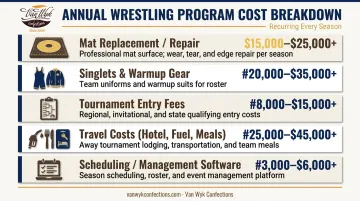
None of these are one-time expenses. They come back every season, which is why most programs can't survive on school budgets alone. That's exactly where the right fundraising strategy makes the difference.
The 14 Wrestling Fundraiser Ideas
High-Impact Fundraisers (Ideas 1–5)
Idea 1 — Digital Crowdfunding
Online crowdfunding is consistently the highest-return fundraiser for wrestling teams. The model is simple: each athlete creates or shares a personal campaign page, then reaches out via text, email, and social media. Donors come from well beyond the local community — relatives, former coaches, college friends of parents, alumni.
Central High School's official GoFundMe raised $53,252 toward a $55,000 goal from 545 individual donations. That kind of reach isn't possible with a bake sale.
Platforms like Snap! Raise and GoFundMe make setup fast. The real driver is outreach — the more athletes actively share their pages, the higher the total climbs.
Idea 2 — Host Your Own Wrestling Tournament
Hosting a local or regional invitational turns your gym into a revenue engine. Entry fees from visiting teams, ticket sales at the door, and a well-stocked concession stand can generate substantial income in a single weekend.
It takes real planning: scheduling, officials, table workers, concessions volunteers. The payoff, however, goes beyond dollars. A well-run tournament builds program reputation and deepens community engagement simultaneously. Programs that host annually often see it become their single biggest fundraiser of the year.
Idea 3 — Golf Outing, Bowl-a-Thon, or Cornhole Tournament
These three event formats share a common advantage: you don't need to know anything about wrestling to enjoy them.
Revenue streams typically include:
- Registration or entry fees per team or player
- Hole sponsorships (for golf) or event sponsorships
- Raffle tickets sold throughout the event
- Food and beverage sales on-site
The Truckee Wrestling Club, for example, charges a $100 two-person team fee for their annual cornhole tournament, including a meal and raffle tickets per player. Programs running an annual golf outing can layer in year-over-year sponsor relationships that grow the event each season.
Idea 4 — Weight Class Sponsorships
Wrestling has exactly 14 weight classes — and each one is a sponsorship opportunity. The concept: local businesses pay to have their name or logo on a banner displayed in the gym next to their sponsored weight class, along with social media shoutouts throughout the season.
Grant Generals Wrestling charges $500 for varsity weight class sponsorships and $250 for junior varsity. If a program fills all 14 varsity spots, that's $7,000 raised before a single athlete steps on the mat.
Sponsors benefit from 3–4 months of visibility at every home dual and event. It's a natural fit for local businesses that want community presence without large ad buys.
Idea 5 — Wrestle-a-Thon or Lift-a-Thon
Pledge-based fundraisers tie donations directly to athletic performance. Athletes collect pledges ahead of time — per match wrestled, per takedown scored, or total weight lifted — then compete and report results to donors.
The direct connection between sport and fundraiser builds genuine buy-in from supporters. Donors aren't just writing a check; they're investing in a specific athlete's performance. Some programs running team lift-a-thons have raised close to $10,000 in a single event. Lakeville Youth Wrestling runs their annual takedown-a-thon as the club's primary fundraiser each season.
Product Sale Fundraisers (Ideas 6–9)
Idea 6 — Premium Candy Bar & Chocolate Sales
For teams that need a reliable fundraiser with minimal logistics, candy bar sales are hard to beat. The price point is low enough that almost anyone will say yes, and turnover is fast.
Van Wyk Confections' America's Variety Pack One Dollar Bars (the company's flagship product since 2000) sell for $1 per bar, packaged in portable carrying boxes of 60 bars each — easy to move at practices, home duals, and school hallways. Key product details:
- Five flavors per carrier
- Produced in a peanut-free facility
- Gluten-free, removing common allergen concerns
Teams earn 40–50% profit per sale, with no high minimum to meet before getting started.
Idea 7 — Sweet & Salty Snack Products
Variety is a real advantage in product fundraisers. Not everyone wants chocolate; most people, though, want a snack.
Van Wyk Confections also offers:
- Sweet & Salty Pretzel RODS — chocolate-dipped, individually wrapped, available in four flavors (S'mores Bits, Crunchy Toffee, Rainbow Sprinkles, Salted Caramel), and peanut-free
- Famous Fortune Cookies — chocolate-covered, with an optional inspirational message variant that resonates well with sports community audiences
- Sweet Chaos Popcorn — multiple savory and sweet flavors (Kettle Corn, White Cheddar, Dill Pickle, and more), available in a combo brochure format alongside licorice
- Welch's Fruit Snacks — $2 per pouch, gluten-free, strong appeal for health-conscious buyers
Offering two or three products simultaneously increases the average sale per supporter without adding much complexity to the program.
Idea 8 — Team Merchandise Sales
Custom hoodies, t-shirts, and hats are consistent sellers for wrestling programs. One smart approach: offer local sponsors the opportunity to have their logo printed on the back of team shirts (not NFHS-regulated competition singlets). This turns merchandise into a dual revenue stream — income from shirt sales plus a sponsorship fee from the business.
Timing matters here. Merchandise sells best at high-attendance events — home duals, holiday tournaments, and end-of-season banquets are ideal windows to move inventory.
Idea 9 — Discount Cards or Scratch Cards
Discount cards give buyers year-long local savings at partnered businesses, which makes the ask feel less like a donation and more like a deal. Teams sell the cards; buyers get ongoing value.
Scratch card programs work similarly: supporters scratch off donation amounts and contribute based on what they uncover. With no upfront cost required from the team and no leftover inventory to manage, scratch cards are a particularly clean fundraiser for small programs or those running their first campaign.
Community Events & Unique Ideas (Ideas 10–12)
Idea 10 — Spaghetti Dinner or Restaurant Night
A classic for a reason. Ingredient costs are low, community turnout is strong when promoted through school channels, and the format naturally draws families who want to support the program.
The lower-effort version: partner with a local restaurant for a "dine and donate" night. Chipotle's community fundraising program donates 25% of qualifying sales from a designated event window. Panera's program offers up to 25% of net sales for approved groups. These require almost no setup from the coaching staff — the restaurant handles everything, and the team simply promotes the date.
Idea 11 — Silent Auction at End-of-Season Banquet
Banquet night already gathers the entire program under one roof. A silent auction running alongside awards ceremonies turns that captive audience into revenue.
The key is sourcing donated items to keep costs near zero:
- Gift cards from local businesses
- Sports memorabilia or signed items
- Experiences (golf rounds, restaurant gift certificates, tickets to events)
- Wrestler-created art or crafts
The more donated items, the higher the margin. Acknowledge donors publicly during the event to encourage future participation.
Idea 12 — Wrestling Clinic with Alumni or College Wrestlers
A 1–2 day paid clinic where skilled alumni or collegiate wrestlers teach technique to youth athletes does two things at once: raises money through registration fees and builds the local wrestling pipeline.
Charge $40–$75 per youth participant, run it on a weekend, and bring in 2–3 college or post-collegiate wrestlers as coaches. Parents pay because their kids get quality instruction; the program earns a clean profit; the alumni stay connected. Done right, this becomes an annual event that families look forward to.
Simple & Low-Effort Fundraisers (Ideas 13–14)
Idea 13 — Raffle Fundraiser
Collect donated prizes — gift cards, gift baskets, local experience packages — and sell raffle tickets at home duals and banquets. Cost to run: essentially zero. Effort required: collecting the donations and printing tickets.
One useful trick: schedule the drawing at halftime of a home match. It gives fans a reason to stay in their seats, builds energy in the gym, and creates natural momentum for ticket sales leading up to the draw.
Idea 14 — Fill My Wrestling Singlet or Bake Sale
Two low-lift options for programs just getting started:
- Fill My Singlet — a printable template shaped like a wrestling singlet where supporters write their name and donate any dollar amount to fill a spot. Simple, visual, and easy to share digitally.
- Bake Sale at a Home Meet — minimal coordination, low cost, and a natural fit for the parent volunteer energy that already exists at home events.
Neither will replace a crowdfunding campaign or tournament as a primary fundraiser. For newer programs, small clubs, or teams running a supplementary effort mid-season, they're a solid, no-pressure starting point.
How to Pick the Right Wrestling Fundraiser for Your Program
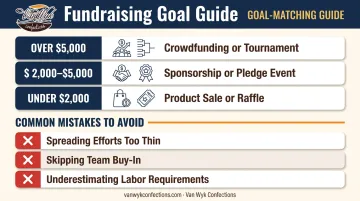
The right fundraiser depends on four factors: team size, volunteer capacity, time of season, and fundraising goal.
Use this framework:
| Goal | Best Approach |
|---|---|
| Over $5,000 | Lead with crowdfunding or a tournament/event |
| $2,000–$5,000 | Weight class sponsorships or a pledge-based event |
| Under $2,000 | Product sale, raffle, or restaurant night |
Three common mistakes to avoid:
- Spreading efforts too thin: Donor fatigue is real. Two focused fundraisers outperform five scattered ones every time.
- Skipping team buy-in: A product sale where athletes don't sell, or a golf outing with no volunteers, will underperform regardless of the format.
- Underestimating the labor: A 20-team invitational needs officials, table workers, concessions staff, and a tournament director. Know your capacity before committing.
The recommended approach for most programs: a two-fundraiser season. Pair one high-effort, high-return option (crowdfunding campaign or hosted tournament) with one low-effort ongoing option (product sale or raffle). Done right, the two-fundraiser model keeps revenue flowing all season without burning out the people running the program.
Conclusion
The programs that consistently fund themselves well don't treat fundraising as a once-a-year scramble — they build it into the season's rhythm. One big push. One easy ongoing effort. Full team participation. Clear goals communicated to athletes and families from day one.
Start with the fundraiser that fits your current team size and capacity, run it well, and build from there. If you want a low-barrier starting point, Van Wyk Confections' candy bar and snack fundraising programs require no high minimums and no long lead times. Products ship factory-fresh, sell at $1 price points that make them easy for anyone to buy, and have helped nonprofit groups nationwide raise over $50 million combined. Visit vanwykconfections.com to get your program started.
Frequently Asked Questions
What type of fundraiser makes the most money for wrestling teams?
Digital crowdfunding and event-based fundraisers (tournaments, golf outings, bowl-a-thons) typically generate the highest totals — Central High School's wrestling GoFundMe raised over $53,000 from a single campaign. Product sales are reliable mid-tier earners that require far less effort.
What are some unique wrestling fundraiser ideas?
Weight class sponsorships, wrestle-a-thons tied to live athletic performance, alumni wrestling clinics, and "Fill My Singlet" campaigns are all specific to the sport and naturally engage wrestling families. These stand out from generic school fundraisers because they connect directly to what makes wrestling distinctive.
What is the easiest wrestling fundraiser to run for a small team?
Product sale fundraisers — candy bars, pretzel rods, or snack variety packs — and raffle fundraisers are the most manageable for small programs. They require no venue, no event logistics, and very little upfront coordination. Athletes sell product in hand; money comes in quickly.
How much money can a wrestling team realistically raise?
A small club running a product sale might raise $500–$2,000. A larger high school program running a crowdfunding campaign, hosted tournament, or golf outing can reach $5,000–$15,000 or more in a single effort with full team participation.
When is the best time of year to run a wrestling fundraiser?
Preseason (fall) is ideal for big campaigns — athlete energy is high, the season hasn't started yet, and families are engaged after summer. Product sales and raffles run well throughout the season at home meets, making them a good complement to a fall kick-off campaign.